How Much Does a Cold Plunge Cost?
Answer first: the chiller, the insulation and the water care set the price — not the tub. Here is what changes the number and what it costs to run.
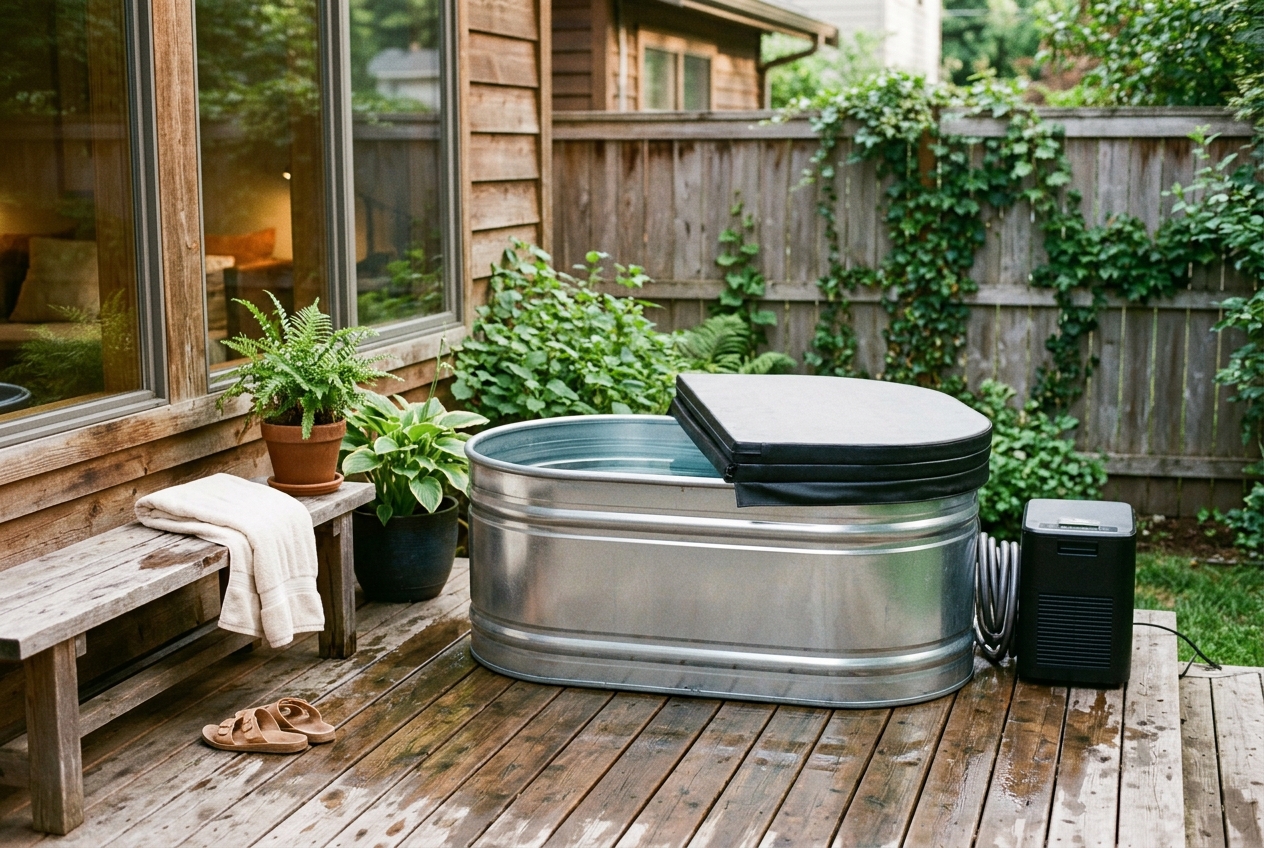
A basic cold-plunge tub can cost a few hundred dollars if you supply the ice yourself. Complete tubs with active chillers generally start around $1,000 to $2,000, while more substantial self-chilling systems commonly run $3,000 to $7,000, and premium systems can reach $10,000 or more. The tub is rarely the expensive part. What you are really paying for is the ability to hold water at a chosen temperature and keep it clean where you want it — so budget for the chiller, the water care and the electricity, not just the vessel.
Equipment price, not installed cost. Site preparation, a suitable dedicated electrical circuit, drainage and the ongoing electricity the chiller uses are all separate. Ranges are guidance, not quotes. Verified 6 September 2026.
Already know your placement and chilling needs?
Visitor understands the three things that actually move cold plunge cost — chilling capacity, insulation and water care — plus the running cost that follows the purchase, so they can budget for the whole project rather than the tub alone.
The short version
People price a cold plunge by looking at tubs. The tub is the cheapest decision you will make. What you are really buying is the ability to hold water at a chosen temperature, keep it clean, and do that where you want it — indoors, in a garage, or outside through your local summer.
Once you know your placement and your climate, the cost range narrows quickly. Before that, almost any number is a guess.
The four things that set the price
Chilling capacity
The chiller has to remove heat faster than your environment adds it. A tub in a cool basement is an easy job. The same tub outdoors in a hot summer is a much harder one, and it needs a larger, more expensive unit to hold the same temperature.
Insulation
An insulated tub and a well-fitted lid reduce how often the chiller runs. Insulation raises the purchase price and lowers the running cost. Skipping it is the most common way a cheap plunge becomes an expensive one to own.
Water care
Cold water still needs filtration and sanitation. Systems range from manual water changes and basic treatment through to integrated filtration and ozone or UV. This choice affects both the purchase price and how much of your week the plunge consumes.
Placement and site work
A level, load-bearing surface, a nearby dedicated electrical circuit and somewhere for the water to drain. If your intended spot lacks any of these, the site work can cost more than the plunge itself.
The cost that arrives after the purchase
A cold plunge has an ongoing electricity cost, because the chiller is doing continuous work against the ambient temperature. That cost is highest for an uninsulated tub in a warm outdoor location and lowest for an insulated, covered tub in a cool indoor space.
There is also a time cost. Manual water changes are cheaper to buy and more expensive to live with. If you expect to plunge most days, filtration is usually the better decision.
Before you set a budget
Six answers that will change your budget more than any product comparison.
- Decide the placement first — indoors, garage, or outdoors — because it drives the chiller requirement.
- Check what the surface can carry: a filled plunge is heavy, and decks and floors have limits.
- Confirm there is a suitable dedicated electrical circuit within reach, and have an electrician verify it.
- Decide how the water will drain and where it will go.
- Choose your water-care approach honestly, based on how often you will really use it.
- Ask the manufacturer for the chilling performance at the ambient temperature of your actual location, not a lab figure.
Supporting questions
Is a chest freezer conversion cheaper?
Cheaper to buy, and it is why many people start there. It gives up water filtration, sanitation, temperature stability and any warranty, and the electrical safety question around a converted appliance is a real one. Have an electrician look at any conversion.
Do I need insulation if the plunge lives indoors?
It matters less indoors, because the ambient temperature is lower and stable. Outdoors, insulation and a good lid are the difference between a manageable running cost and an unpleasant one.
Can I put a plunge on my deck?
Only if the deck is rated for the filled weight. Confirm the total filled weight with the manufacturer and have the structure assessed before you buy.
Does a sauna change the decision?
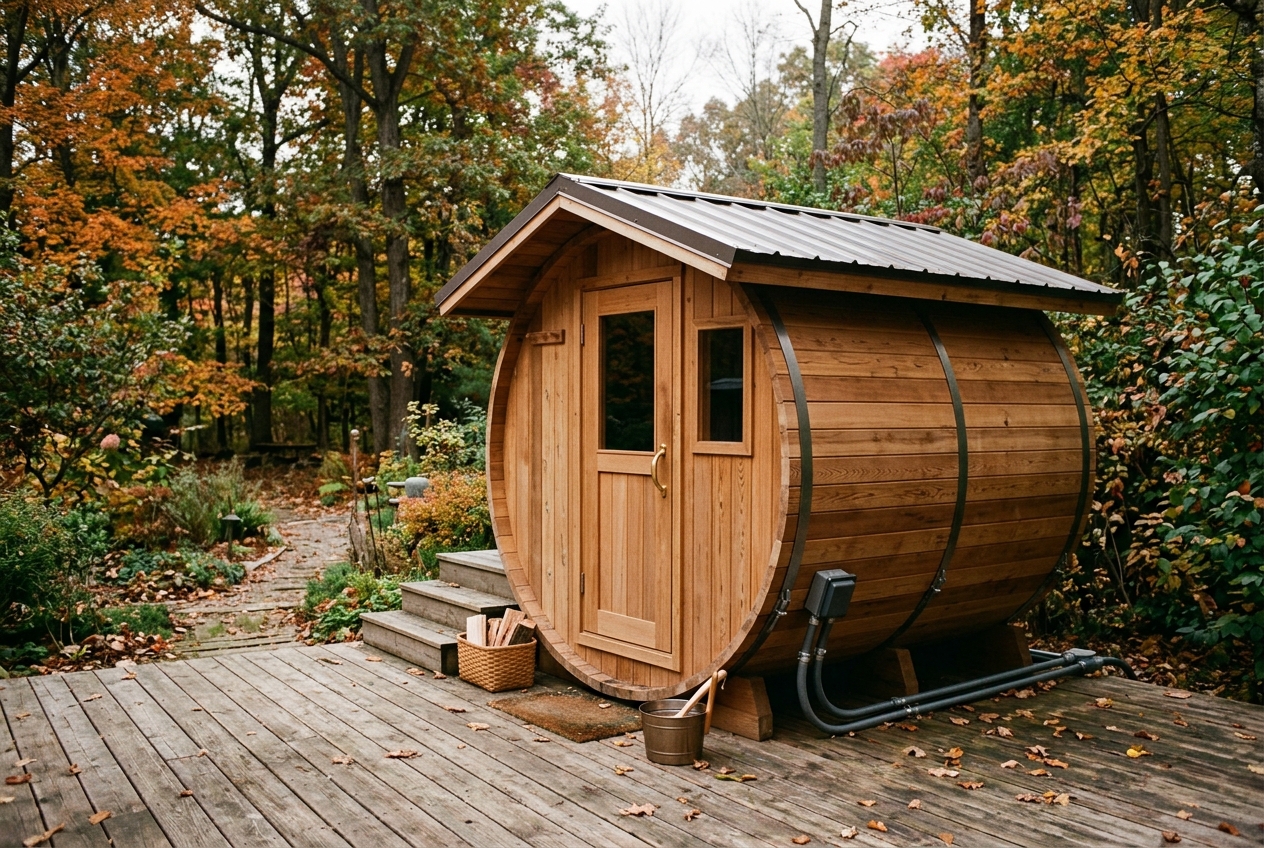
If you are planning both, plan them together. Shared placement, drainage and electrical work is usually cheaper and tidier than adding the second one later.
Deeper details
Affiliate disclosure: some links on Human Home Living may be affiliate links, and we may earn a commission at no additional cost to you. That does not affect our conclusions. See our affiliate disclosure and editorial standards.