
What Should I Actually Power During an Outage?
Backup power decisions get easier once you decide what matters. A practical framework for prioritising outage loads — and what is usually worth giving up.
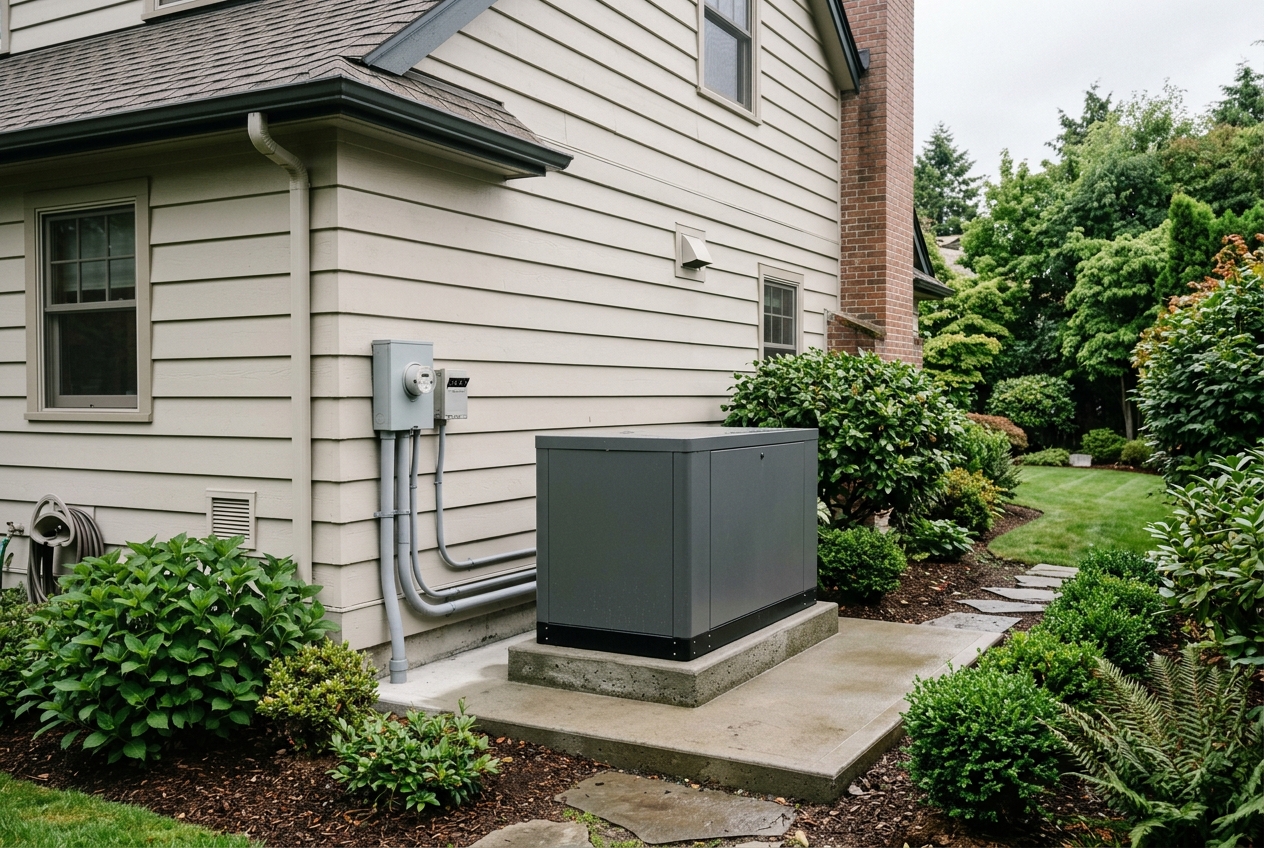
Prioritise the loads that protect the house and make it liveable: heating, refrigeration and freezing, water (well or sump pumps), lighting, internet and the outlets you actually use. Deprioritise the highest-demand conveniences — electric ranges, electric water heaters and second air conditioning zones — which drive capacity up sharply relative to how much they improve an outage.
Already know which circuits matter to you?
Visitor produces a prioritised load list, which is the input every generator or battery sizing decision depends on.
Three tiers, in order
Protective loads come first: anything that prevents damage to the house or loss of property. Then liveability loads: what makes staying home reasonable. Then convenience loads: what you would like if capacity allows.
How to sort your loads
Protective
Heating in cold climates, sump pump where flooding is a risk, refrigeration and freezers, well pump where water depends on it, and any medical equipment in the household. These are non-negotiable.
Liveability
Lighting, general outlets, internet and networking, phone charging, and enough kitchen capability to prepare food. Modest demand, large quality-of-life effect.
Convenience
Television and entertainment, laundry, dishwasher, and additional cooling. Pleasant, not essential, and easy to schedule around.
Capacity-driving conveniences
Electric ranges, electric water heaters and central air conditioning. Each can substantially raise the capacity you need. Powering them is a deliberate budget decision, not a default.
Supporting questions
How long are outages where I live?
This changes the answer more than anything else. Short, frequent outages favour batteries and modest coverage. Multi-day outages favour generators with a fuel supply sized to duration.
Do I need to power air conditioning?
In hot climates, for some households, yes — and it should be a conscious decision because of its effect on capacity and cost. In many climates it is the first convenience to drop.
What about a home office?
Usually a small load with high value. Networking equipment, a laptop and a monitor cost very little capacity. Treat it as liveability rather than convenience if you work from home.
Deeper details
Affiliate disclosure: some links on Human Home Living may be affiliate links, and we may earn a commission at no additional cost to you. That does not affect our conclusions. See our affiliate disclosure and editorial standards.